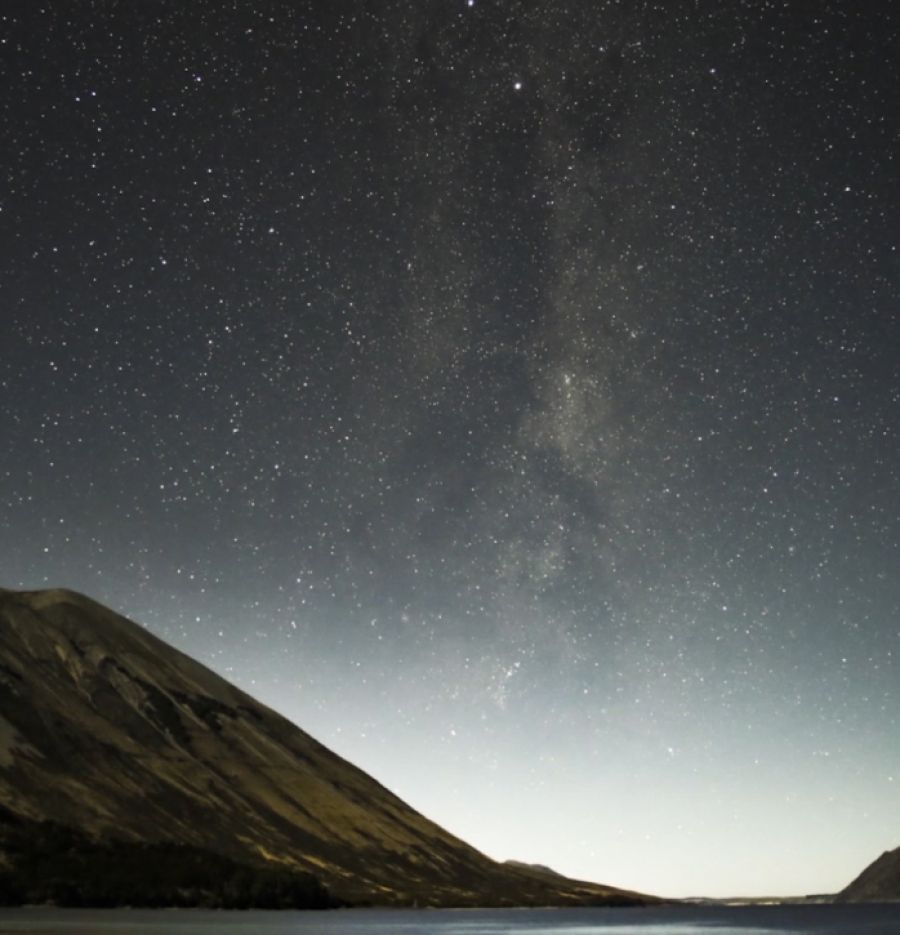
Protecting the Night Sky Selwyn's Dark Sky journey
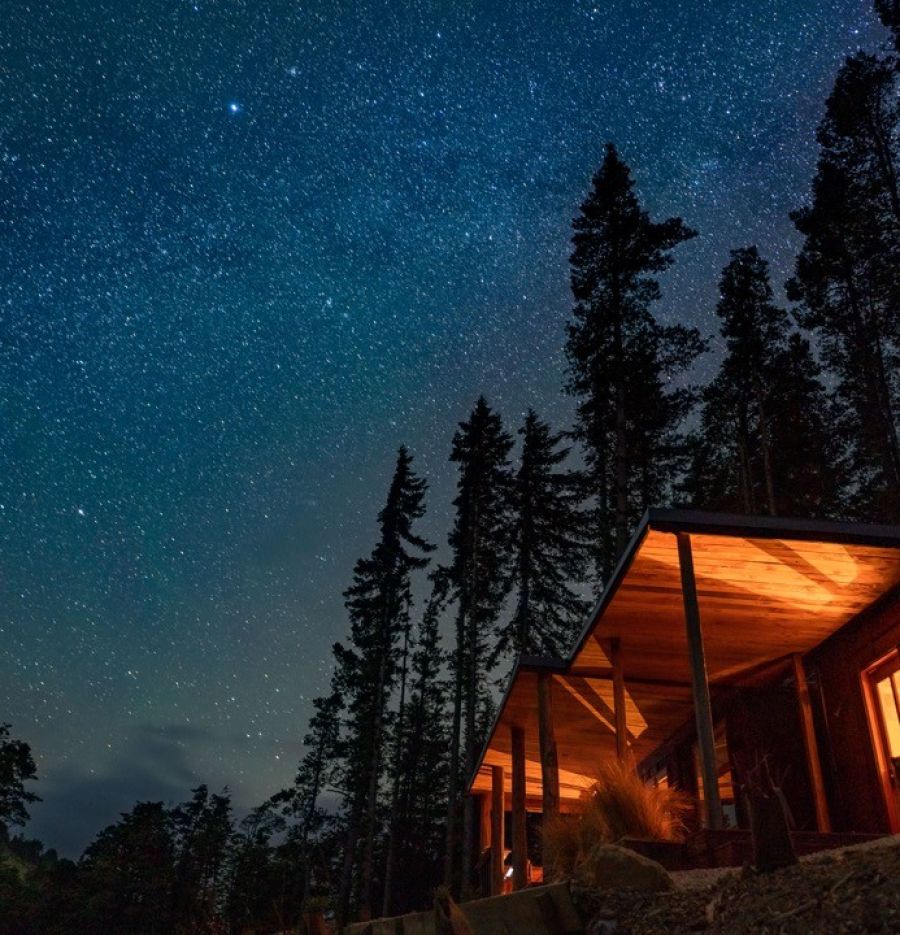
In the wide open landscapes of Waikirikiri Selwyn, the night sky has always been part of the experience.
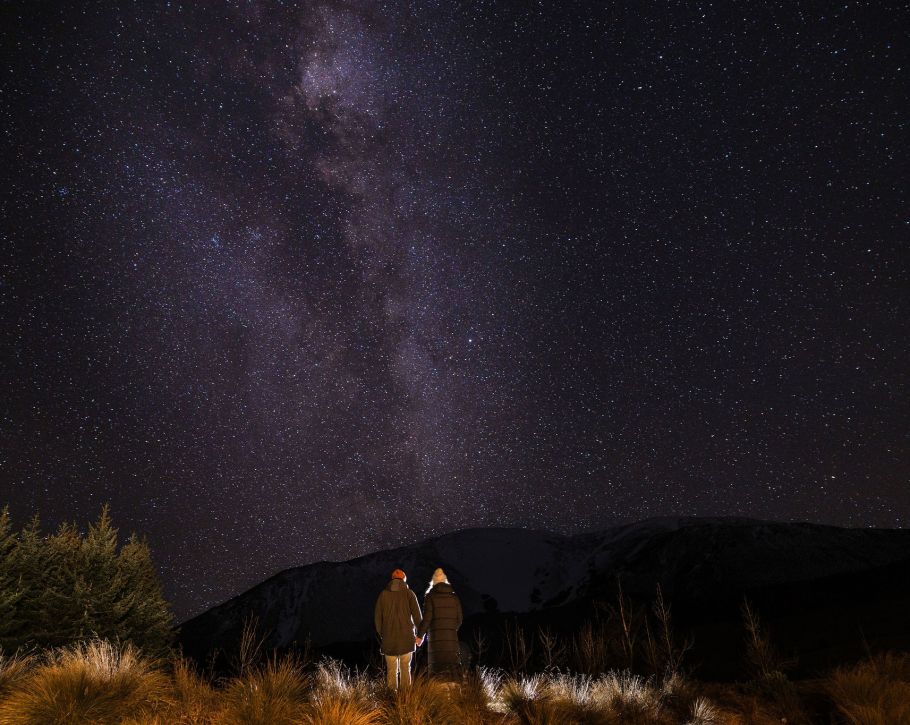
In the wide open landscapes of Waikirikiri Selwyn, the night sky has always been part of the experience.
Across the alpine landscapes of Waikirikiri Selwyn, communities are coming together to help protect one of the district’s most extraordinary natural assets — the night sky.
Selwyn’s Dark Sky initiative has continued to build strong momentum, with growing support from local communities, tourism operators, and partner agencies.
In 1988 DarkSky International (formerly known as the International Dark Sky Association) was founded in the United States to “to preserve and protect the night time environment and our heritage of dark skies through quality outdoor lighting.” To promote awareness about the issues, DarkSky International has an International Dark Sky Places program that aims "to encourage communities, parks and protected areas around the world to preserve and protect dark sites through responsible lighting policies and public education."
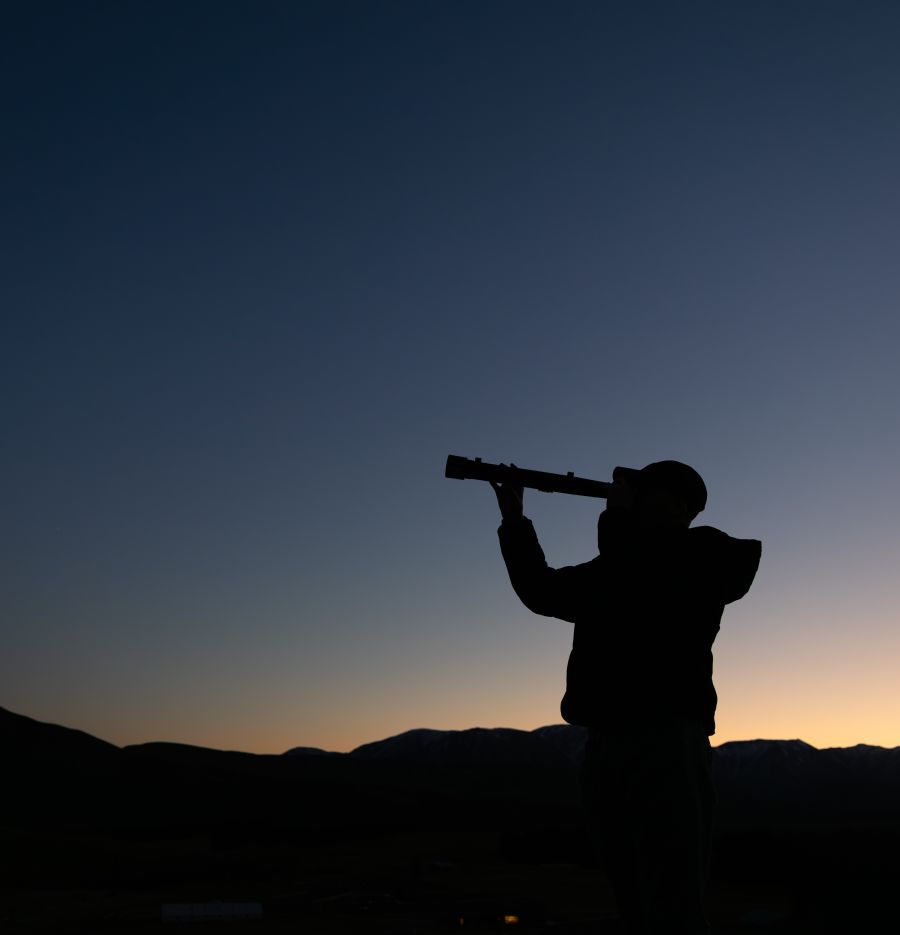
Clear alpine skies were the perfect spring backdrop for the community to gather for Selwyn's dark skies journey event. Held at Castle Hill Community Hall, the event explored the opportunity and how Selwyn could play a role in protecting and celebrating one of our most precious natural assets.
Across the alpine landscapes of Waikirikiri Selwyn, a long-term vision is beginning to take shape.
In a recent study by economist Benje Patterson exploring the potential of a Dark Sky Reserve centered in neighbouring Waimakariri District, he posited that the economic benefits of a Canterbury Dark Sky Trail connecting Kāikoura’s Dark Sky Sanctuary through to the MacKenzie Reserve through sites in the Waimakariri could create an additional $45.8 million in tourist spending.