On a cool autumn morning in May 1936, three friends stepped onto the Christchurch Railway Station platform to board the Midland Line train bound for the West Coast, stopping at Cass, a small railway settlement near Arthur’s Pass Village in the Southern Alps.
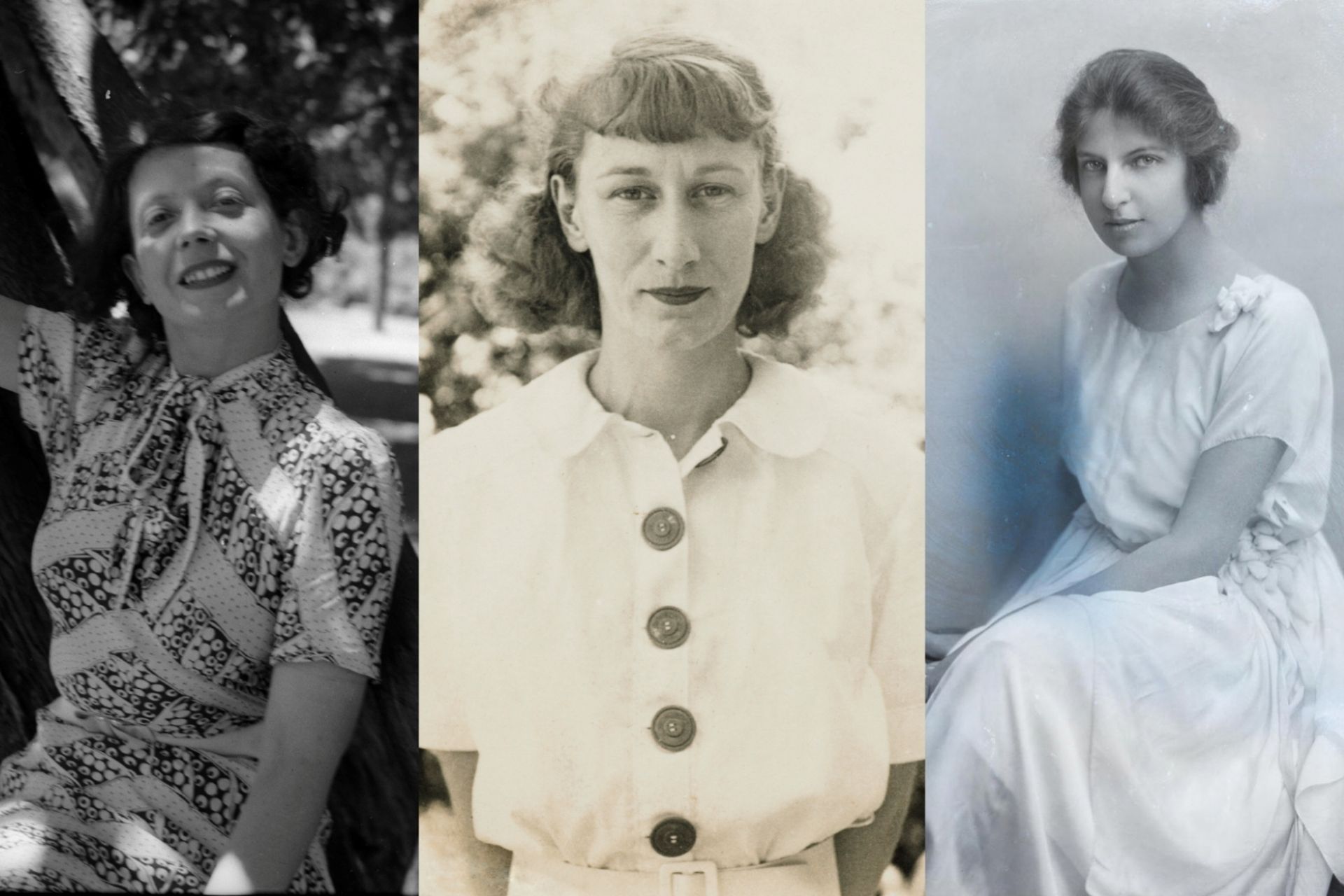
(Left to Right) Louise Henderson (Te Papa), Rita Angus (Te Papa), Julia Scarvell (Canterbury Museum)
The friends were artists Rita Angus, Louise Henderson and Julia Scarvell, young women who had met years earlier as students at the Canterbury College School of Art.
For ten days, the three women stayed at the then Canterbury College's (now University of Canterbury) Cass Field Station, sketching and painting the landscape around them.
Rita, Louise and Julia went up to the mountains for new perspectives, a sense of freedom, and time with friends in nature. Louise was looking for ‘solid forms…with strength, such as buildings and hills’, while Rita ‘wanted the mountains'. Each faced their own their challenges to make art as a livelihood at a time when women were expected to be homemakers: taking up a career in art was seen as eccentric, risky and odd.
Out of that trip came “Cass”, a painting that would go on to become one of Aotearoa’s most recognised and celebrated works. In 2006, it was voted New Zealand’s greatest painting by the arts television programme Frontseat, cementing its place in the country’s cultural story.
This year marks 90 years since that journey to Cass.
When you visit Cass, it’s easy to imagine Rita sitting across from the small railway station or looking out over the majestic alpine landscape from the verandah of the Cass Field Station, taking in all the beauty surrounding her, deciding what to keep, what to simplify and what to make her own.
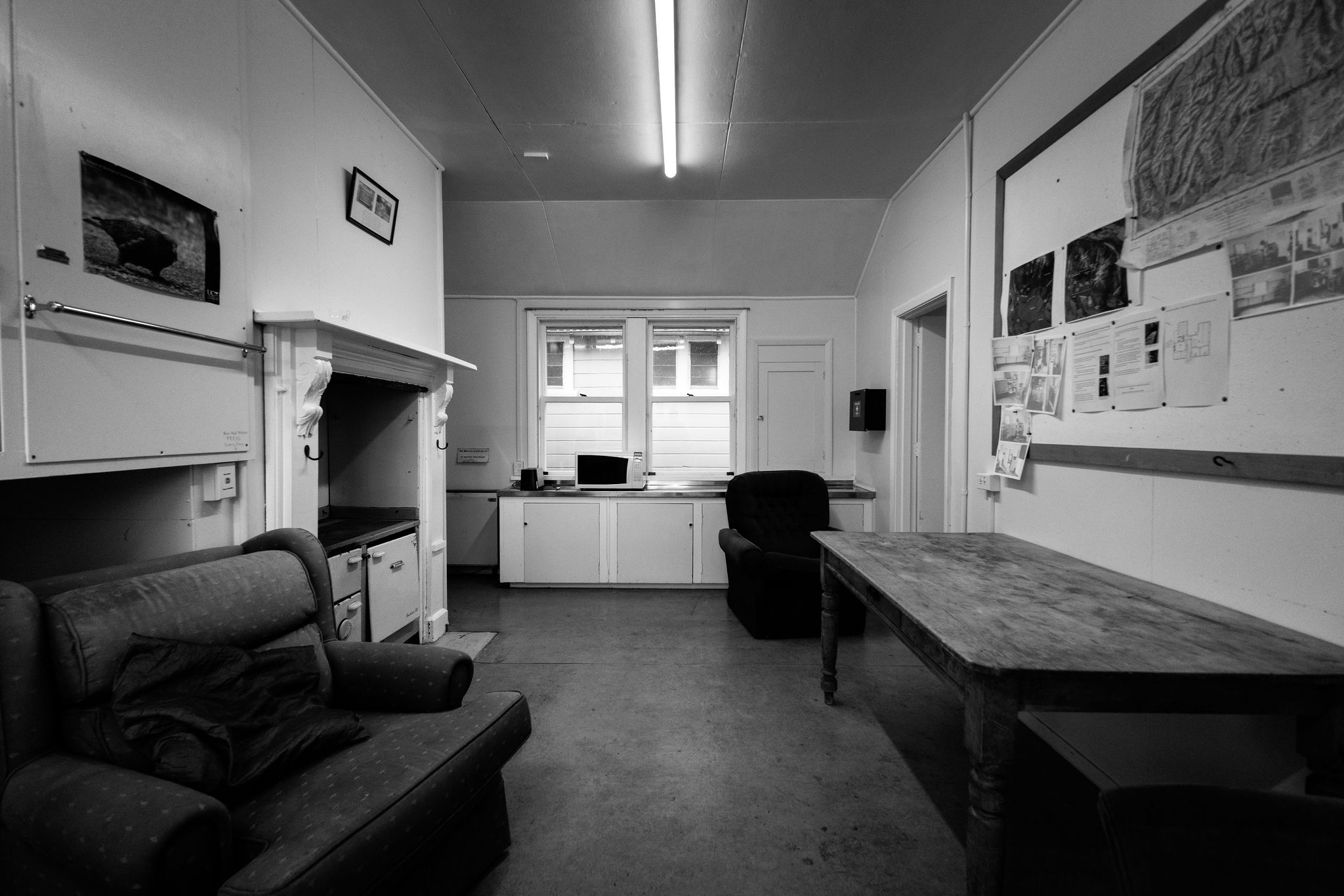
University of Canterbury Field Station, Cass
In Cass, the light moves across the hills, shifting colour and tone throughout the day. The land feels both still and alive at the same time. Ninety years on, that same landscape continues to inspire artists with its quietly powerful, the towering mountains - once described by NZ poet A.R.D Fairburn as 'great crouching tigers' - they stand as sentinels to those passing through.
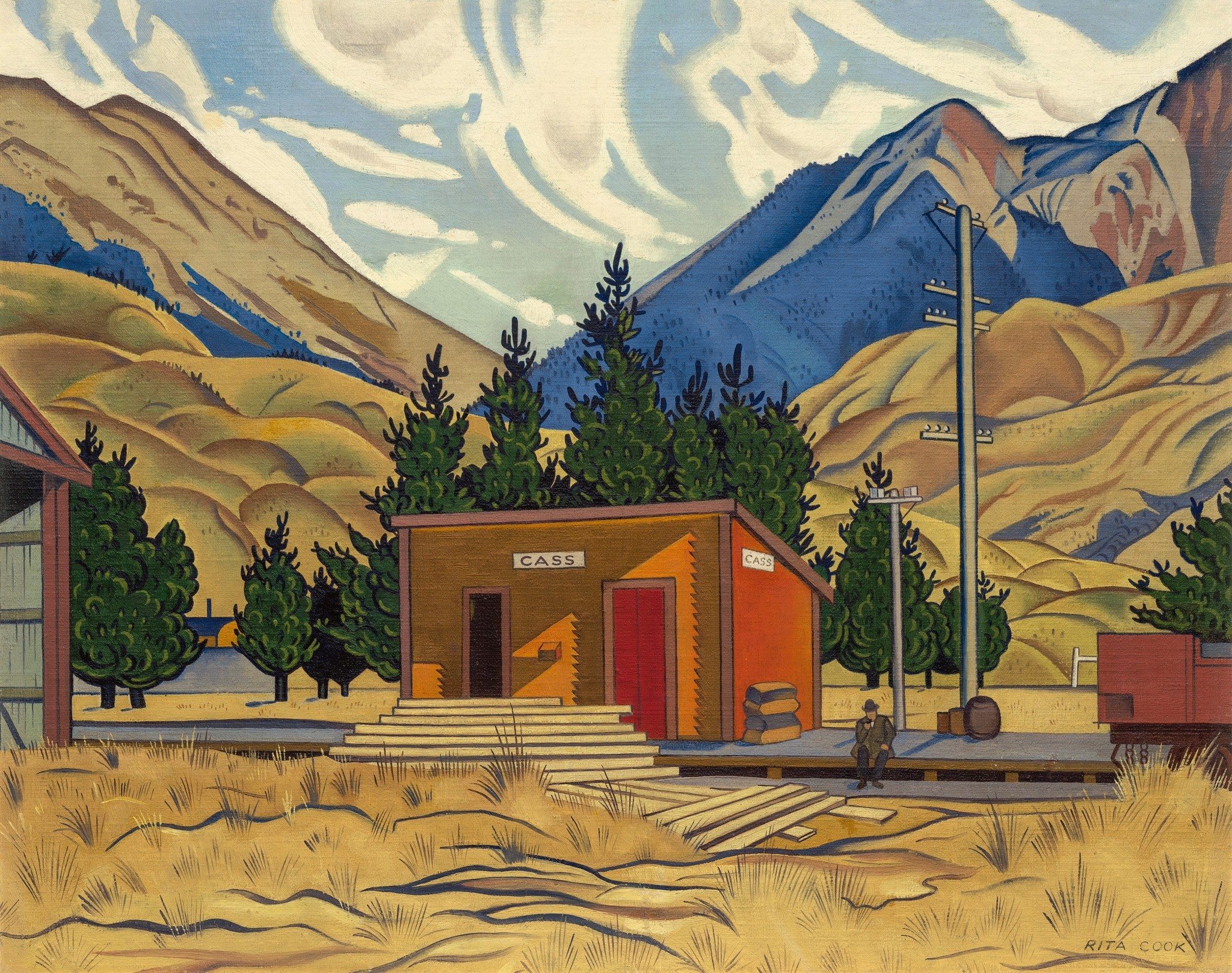
Rita Angus 'Cass' (1936), Collection of Christchurch Art Gallery Te Puna o Waiwhetū, purchased 1955
See it for yourself at Te Ara Ātea
To mark the anniversary, Rita Angus: He Haerenga ki Cass | A Trip to Cass is now showing at Te Ara Ātea.
The exhibition sits upstairs on Level 1 and is free to visit through to the end of 2026. It tells the story of that iconic 1936 journey and the work that came out of it.
Seeing the dramatically enlarged reproduction of “Cass” in person brings a new appreciation of this stunning artwork. The bold shapes, the clean lines, and use of colour and techniques that were ahead of their time, draws you into the simple yet evocative piece.
If you’re keen to learn more, you can join exhibition curator, Sarah Davy, Local History Librarian for Selwyn Libraries, for an illustrated talk, coffee and a guided tour of the exhibition. You’ll hear the story of the three artists who made the journey, and gain a richer understanding of the art, science and history of Cass.
Coffee and Curator’s Tour – Rita Angus: He Haerenga ki Cass | A Trip to Cass
Suitable for ages 13+ and bookings are essential
Make a trip to Cass
Located on the Great Alpine Highway (SH 73), about 105km from Christchurch and just 22km from Arthur's Pass National Park, Cass is an easy day trip or a great excuse to head away for the weekend.
This is Waikirikiri Selwyn at its best – the patchwork quilt paddocks of the plains giving way to the stunning ranges of the Southern Alps, the mountain air provides a clear light and a crispness that accentuates the shadows and peaks of the landscape. It’s easy to see why artists from around the world are drawn (no pun intended!) to this unexpected part of our world.
If you’re heading that way, make the most of it:
- Take some time at Kura Tāwhiti/Castle Hill and wander through the limestone formations
- Take in the sweeping views across Korowai/Torlesse Tussocklands Park
- Continue through to Arthur’s Pass village for a coffee, a walk, see if you can spot our cheeky kea
- Or slow it down and stay a night in one of Selwyn’s many peaceful high country accommodation options.
Bring your camera, your sketchbook, and your sense of wonder. Cass is a place that will capture your heart and imagination.
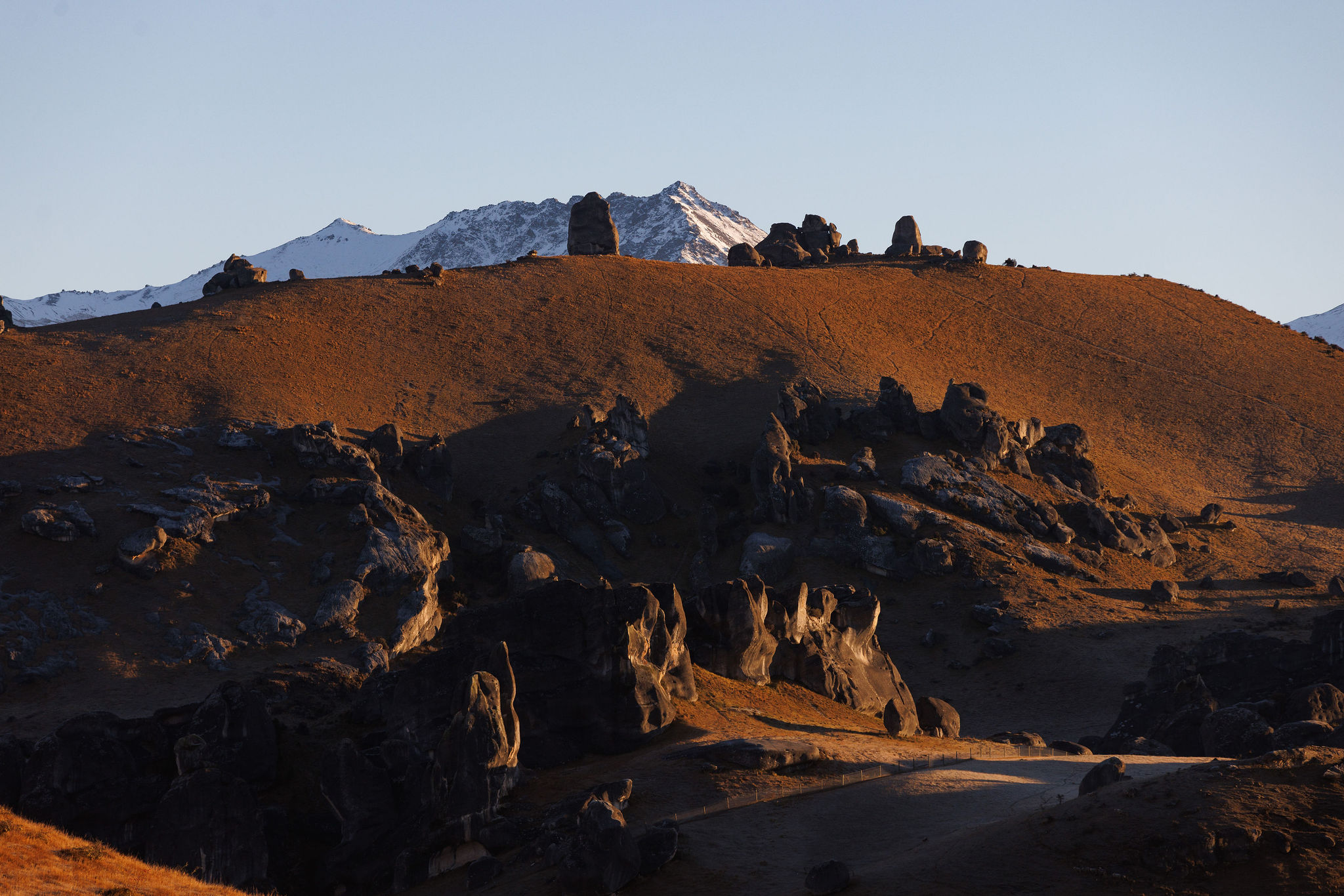
Kura Tāwhiti/Castle Hill limestone formations
A landscape that continues to inspire
Cass is not just one painting. It’s part of a much bigger story of artists drawn to this landscape.
Long before and after that 1936 trip, the Canterbury high country has inspired generations of creatives.
Artists like Colin McCahon, Bill Sutton, Leo Bensemann and Austen Deans found something here worth capturing. So too did Grace Butler, who returned again and again to paint the alpine environment, often working outdoors in tough conditions to capture the light and atmosphere.
Earlier still, artists like Petrus van der Velden and John Barr Clark Hoyte were drawn to the drama of this landscape, each interpreting it in their own way.
By the 1930s, a shift was happening in the art world. Artists like Rita Angus and her contemporaries began to move away from soft, romantic interpretations of landscapes with their ethereal light, instead painting the land with clarity and strength. The strong lines and flat planes of colour inspired modernist interpretations of the views.
Cass may be a small settlement, population of one, however it holds a big place in Aotearoa’s arts and cultural story.
Ninety years on from that train trip, people are still captivated by Cass, not only for the reverence surrounding Rita’s famous painting, but also by the emotions you feel standing in that ancient, isolated landscape, looking up at the towering mountains that reach into the sky.
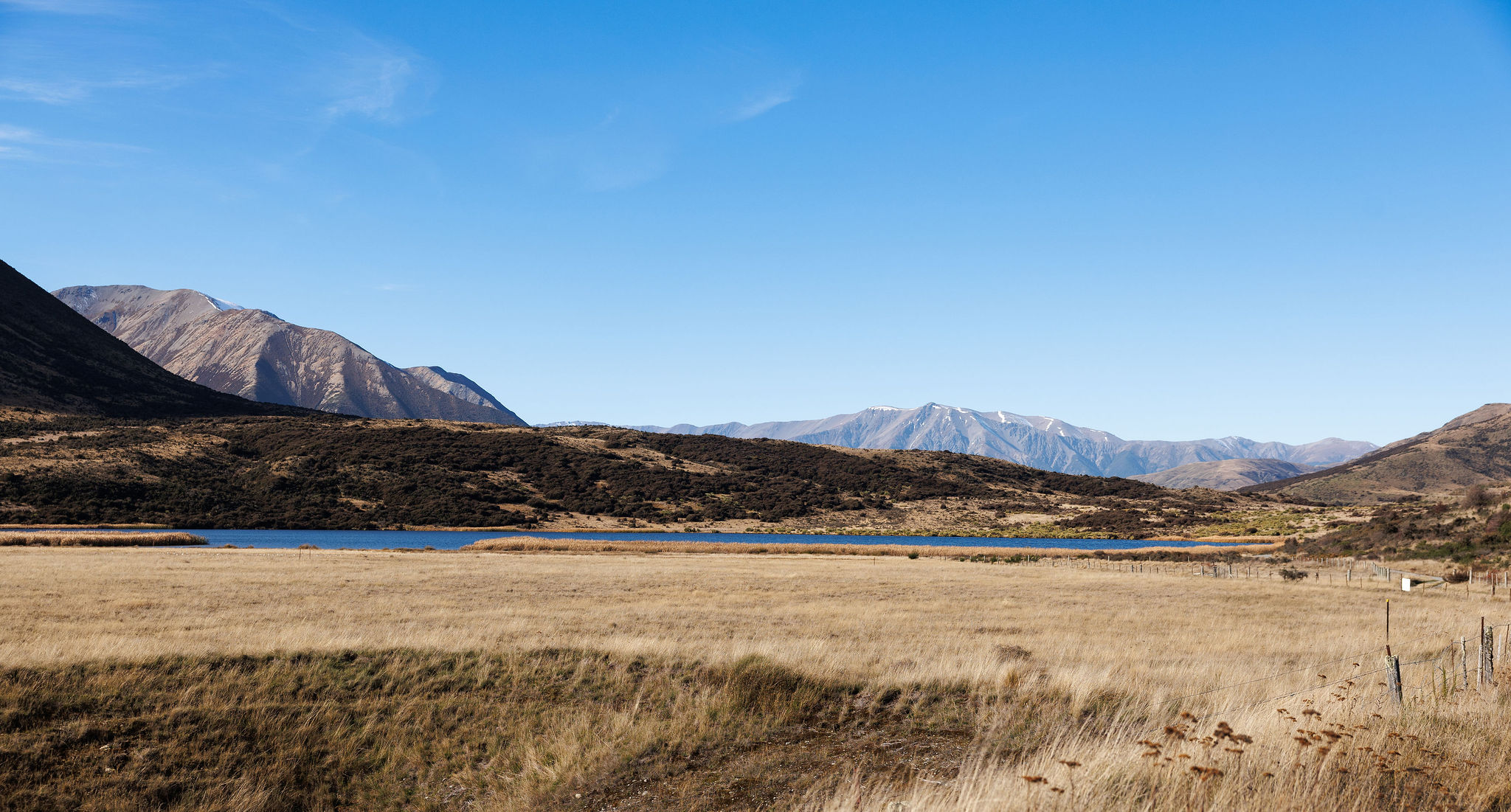
Lake Sarah, Cass
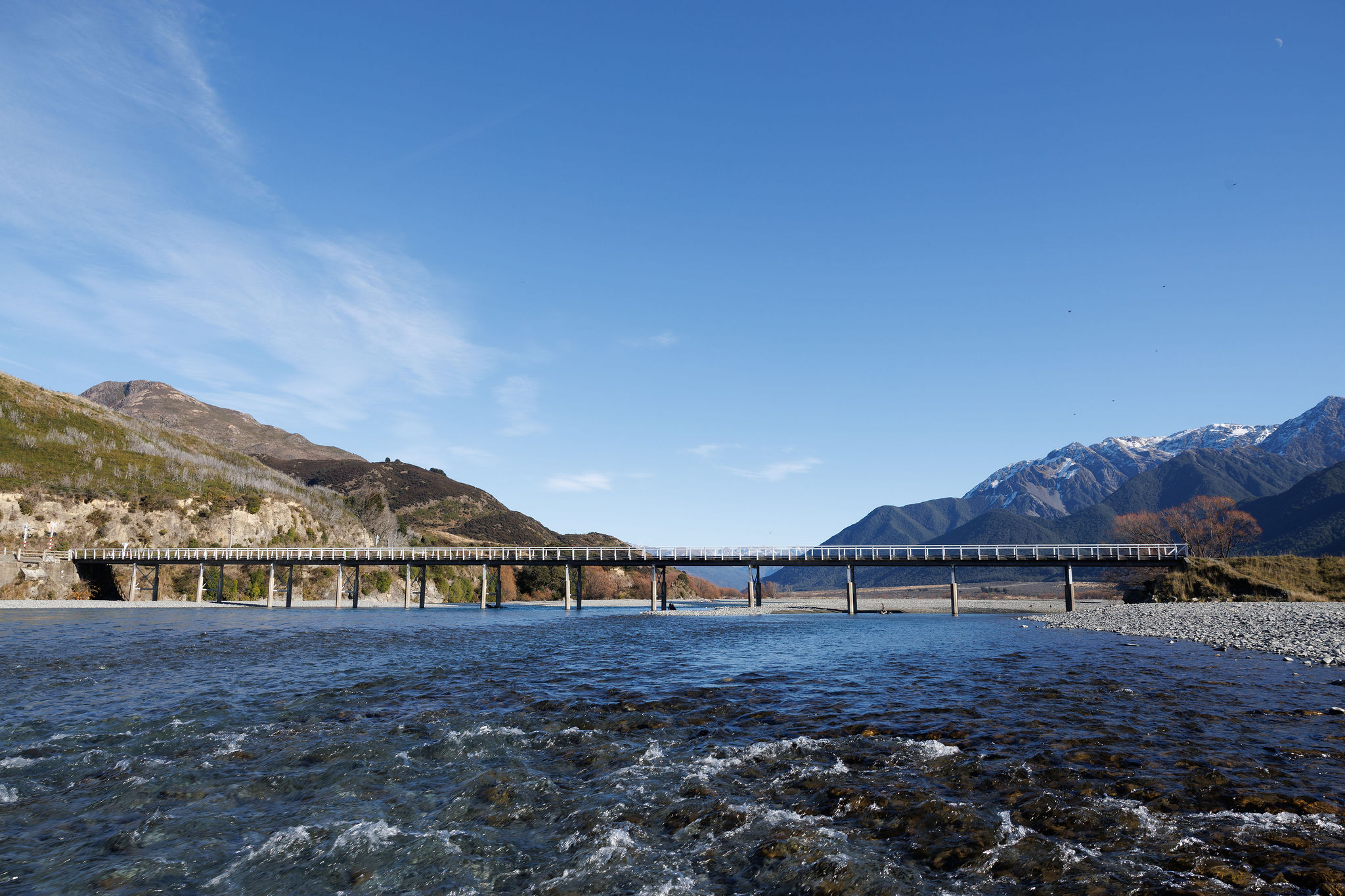
Mt White Bridge over the Waimakariri