By Anna Keeling. Mountain and Ski guide and avalanche educator.
If you’re interested in taking an avalanche course, here’s our advice.
Why take an avalanche course?
If you stand at a ski area boundary and think it looks fun and inviting to ride fresh, untracked snow on the other side, you should take an avalanche course.
That inviting swathe of snow is not safe, even if other skiers are riding it, or if there are tracks.
People have tragically died skiing or riding untracked snow. As soon as you cross a ski area boundary, you are in the backcountry. This means uncontrolled terrain, no avalanche mitigation and no-one to come and rescue you.
If you even go as far as 100 metres from the boundary, a ski patroller may be able to help, but it is unlikely. Sometimes there are only three patrollers working at a club field and they may already be attending an accident on the field.
If you want to ski overseas, taking a course can be beneficial as snow conditions are different in different snow climates.
Most New Zealand avalanche instructors have worked overseas to gain greater depth of experience.
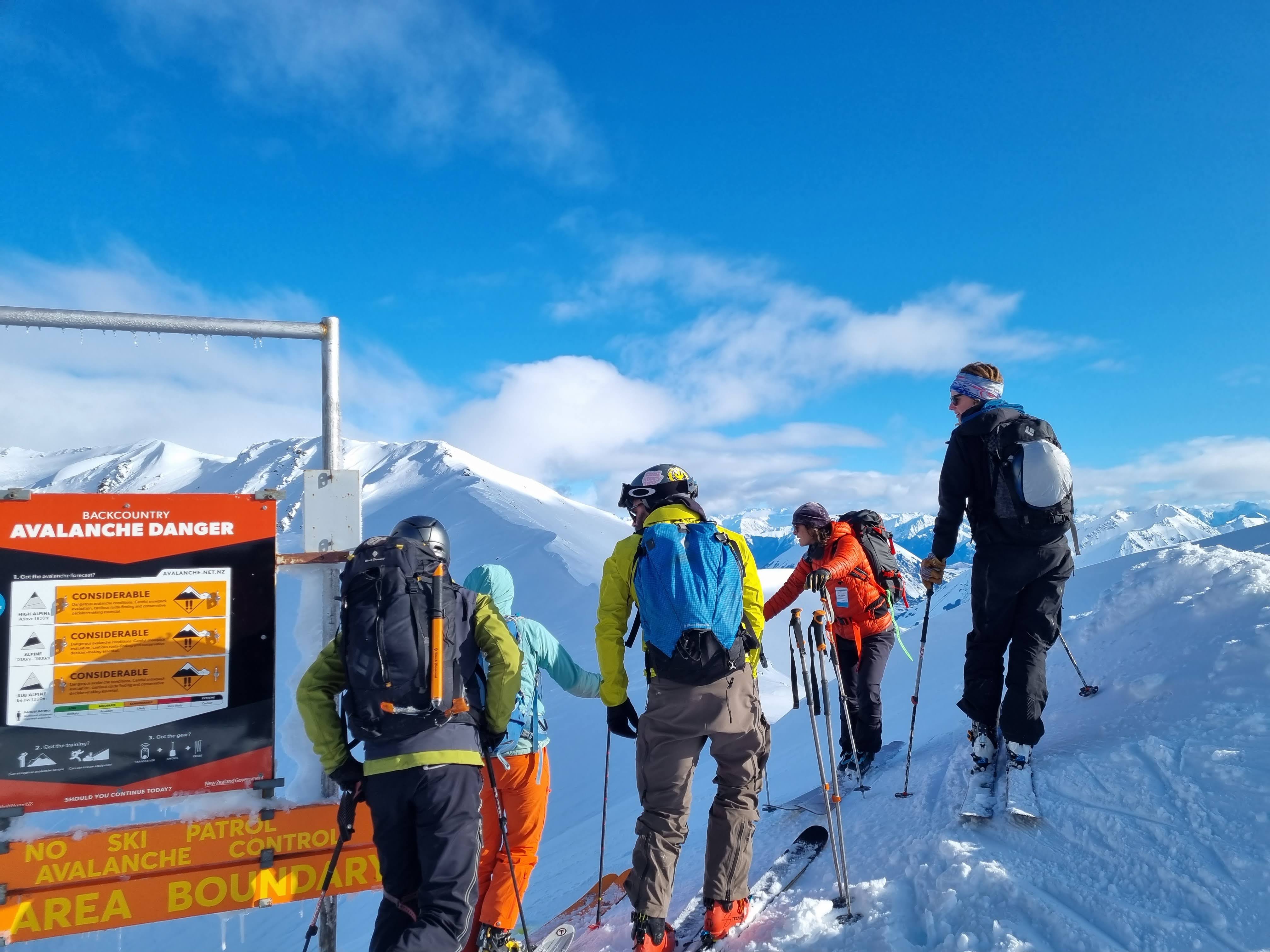
Leaving the ski area boundary on an Avalanche Skills Course
You should also take a course if you wear an avalanche transceiver, carry a shovel and probe when skiing at a Club Ski field or if you like to go on guided trips - eg. Heli skiing.
When is a good time to take a course? Anytime! It’s the act of taking a course that is important.
If you’ve taken one before but feel rusty, take another one. If you want to learn more, take an ASC2.
The avalanche industry is always updating as a result of yearly conferences and people completing Masters and PHD’s in snow science.
The key aim of a course is to learn what avalanche terrain is and understand how weather causes snow to change over time. You also learn the essential skill of conducting a rescue.
Early season courses are a good way to learn while waiting for the best snow of the season to arrive. You then get to put your skills to practice!
Attending an avalanche course in July gets you into the snow and an opportunity to understand how the layers within the snowpack begin to stack up to create avalanche problems later on.
Avalanche courses are a great opportunity to create safe travel habits and methods for keeping your group safer while in avalanche terrain. Be safe out there - take a course.
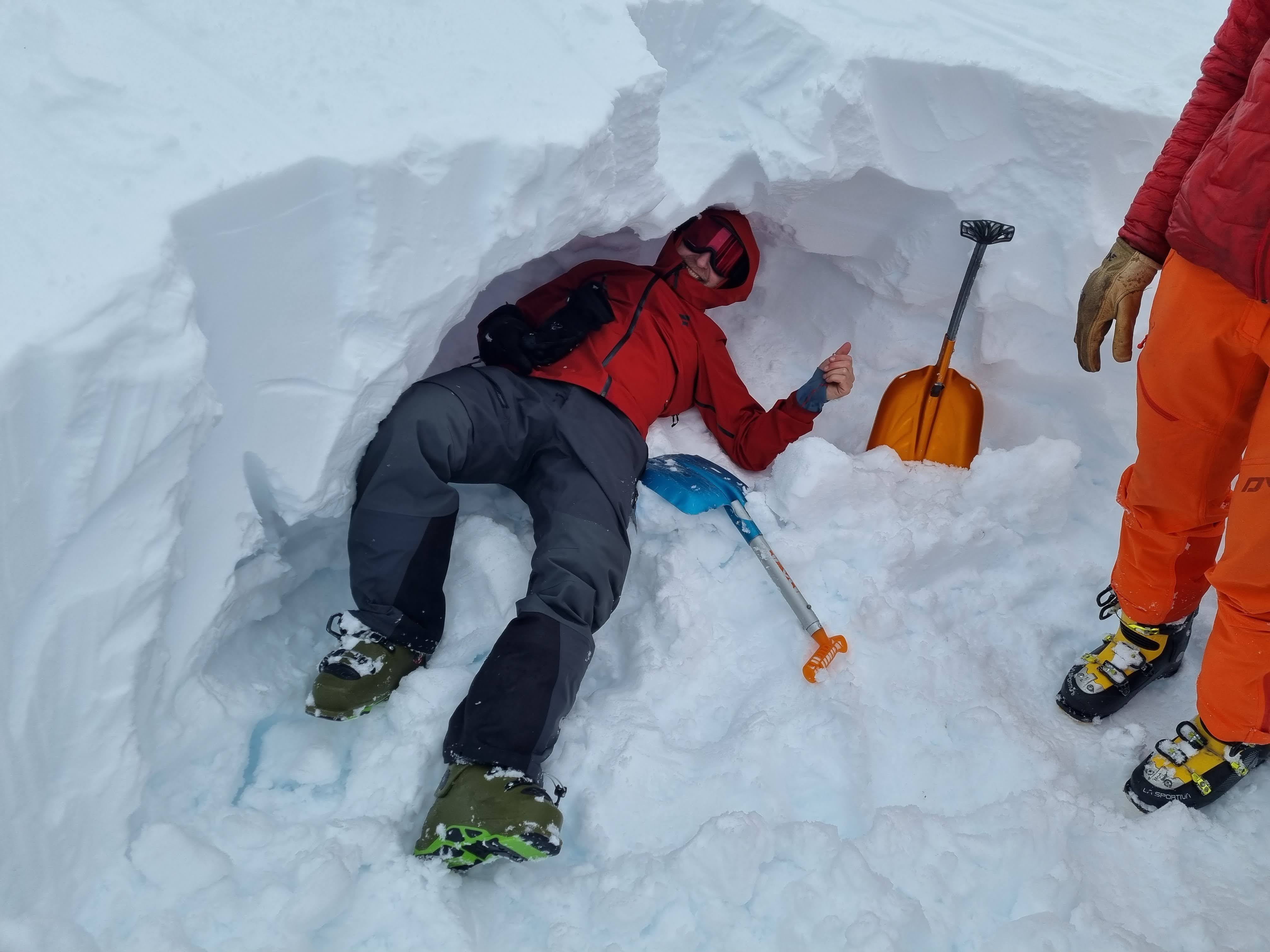
The NZ Mountain Safety Council endorses avalanche course providers as well as coordinating the daily Avalanche Advisory. They also provide teaching materials for avalanche courses as well as links to overseas avalanche advisories.
In NZ avalanche education is divided into two camps: Recreational and Professional. Professional training is for ski patrollers, avalanche instructors, ski and alpine guides and outdoor instructors.
This article focuses on recreational courses - for those who want to learn more to keep themselves and their partners safe.
There are two types of recreational courses: Avalanche Skills Course 1 and Avalanche Skills Course 2 (referred to as ASC1 and ASC2).
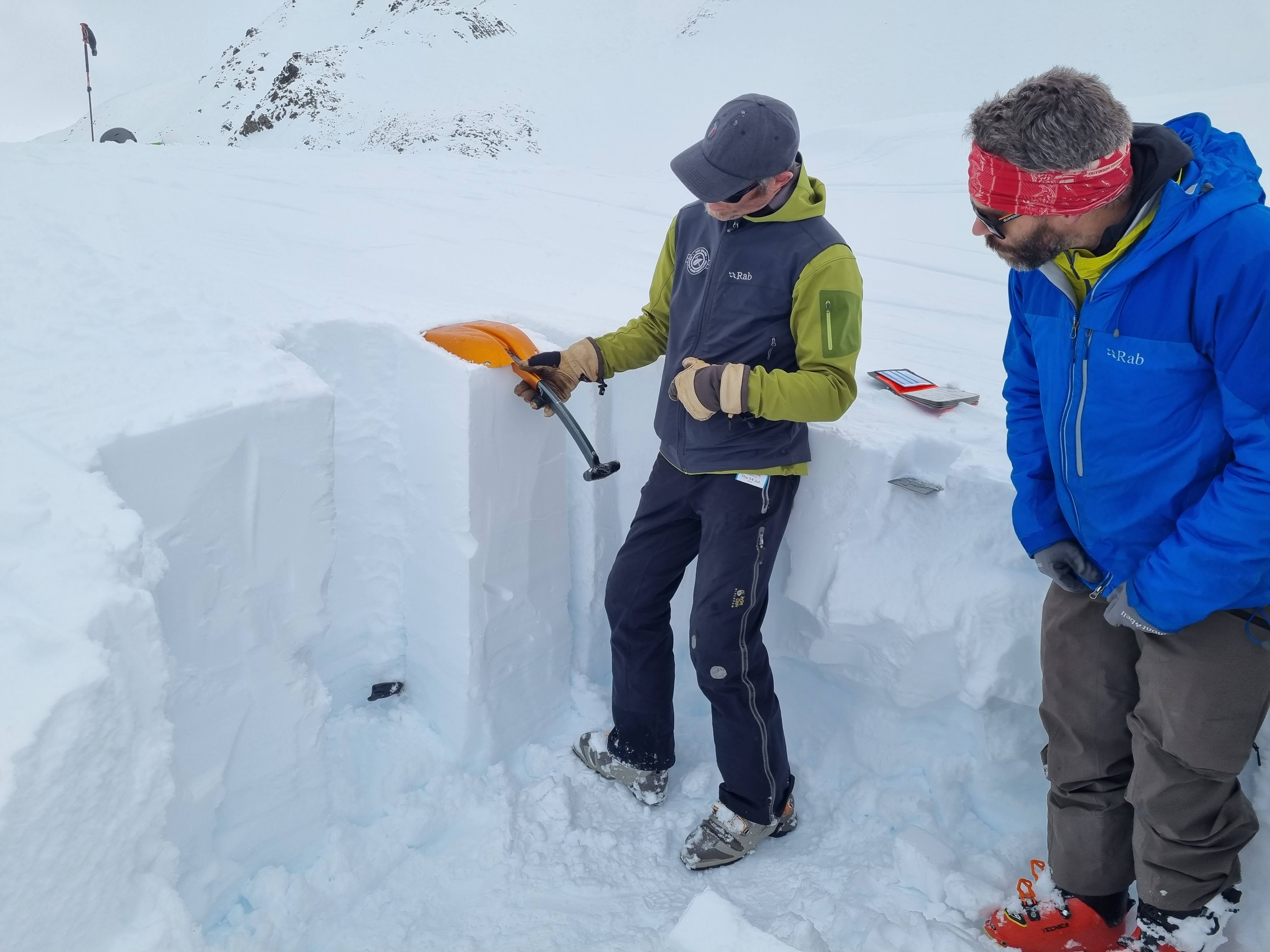
ASC1
This is an introductory (avalanche awareness) course of 1.5-2 days in length.
This course focuses on:
- Explaining the avalanche phenomena
- Explaining the complex interplay of terrain weather, snowpack and the corresponding avalanche hazard presented to humans and facilities.
- What safety gear to carry as best practice and where to pack your avalanche tools
- Planning and preparation
- Companion rescue
- Identifying avalanche terrain
- Snow study
- Safe travel protocols and route-finding through terrain out on the field.
ASC2
- This is a four-day course that takes avalanche learning to another level and allows a lot more time studying snow, testing it and route-finding through out-of-bounds terrain.
- There’s a certified rescue test plus two extra days of hands-on learning in the field.
- Students will lead planning and travel portions of each day with coaching from their instructor.
- Instructors on these courses need to hold the highest level of professional Avalanche Risk Management (ARM) level 2 - which is a multi-year course of professional avalanche study.
Avalanche course providers in Canterbury:
Chill Explore and Anna Keeling Guiding Ltd
Chill Explore and AKG joined forces about a decade ago to provide avalanche education for skiers and snowboarders in the Craigieburn Range. All AKG instructors are NZ Mountain Guide Association (NZMGA) ski and/or climb guides with Professional ARM level 2 qualifications and significant overseas experience.
ASC 1:
- Ski/board based
- Two-day classes
- Three dates available - all early season
- Castle Hill based
- Cost $545 including MSC materials
ASC2:
- Based at Snowline (Mt Cheeseman)
- 4 days of instruction
- Cost $1865 including food and accommodation
OENZ - Outdoor Education New Zealand Ltd
OENZ specialises in mountain education for the non-skier/boarder. Their courses run on foot so are perfect for climbers, trampers and hunters.
Instructors are certified by the NZ Outdoor Instructors Association and they also hold Professional Avalanche training in ARM1 or ARM2.
OENZ also own their lodge at Arthur’s Pass which means more time to pick the brains of the instructors!
ASC1:
- Cost $849 which includes accommodation
- Multiple dates available including early season
- On foot so a good option for climbers, trampers and hunters
ASC2:
- On foot so a good option for climbers, trampers and hunters
- Cost $2,499
- Cost includes accommodation and transport; multiple dates available including early season
Broken River
Club ski area, Broken River runs avalanche classes for members and non-members. Accommodation is available at one of their lodges, close to the ski field.
ASC1:
- Ski/board based 2-day class
- Cost depends on Broken River membership and accommodation choices.
- Taught by NZMGA Ski guides.
ASC2:
- 4 days plus an extra day for off-piste ski/board lessons
- Cost depends on Broken River membership, cost including food and accommodation
- Taught by NZMGA Ski guides.
New Zealand Snow Safety Institute
NZSSI is based at Temple Basin at Arthur’s Pass. Stay at the lodge with catered food. Ski/ride in and out in this classic location. NZMGA guides teach NZSSI courses.
ASC1:
- Multiple dates available both on foot or on ski/board
- $640 for two days, including food and accommodation.
ASC2:
- Multiple dates available both on foot and ski/board
- $1600 includes food and accommodation.
Alpine Recreation
This iconic guiding establishment offers avalanche courses, taught by NZMGA ski guides at either its Tekapo base or Rex Simpson hut base. Contact them for more information: Alpine Recreation - Trek, Climb & Ski with professionals!
Alpine Guides
Another leading NZ guide establishment, numerous 1.5 day ASC1’s run from Methven with NZMGA ski guides.
Cost $495
New Zealand Alpine Club
The NZAC is comprised of geographical sections.
Residential ASC2 courses are offered to NZAC members (on foot or on ski/board).;
NZMGA guides teach the ASC2.
The Canterbury-Westland section provides ASC1 to members.
Canterbury Mountaineering Club
ASC1 classes are available for members most years.
These are based from the CMC lodge in Arthurs Pass.
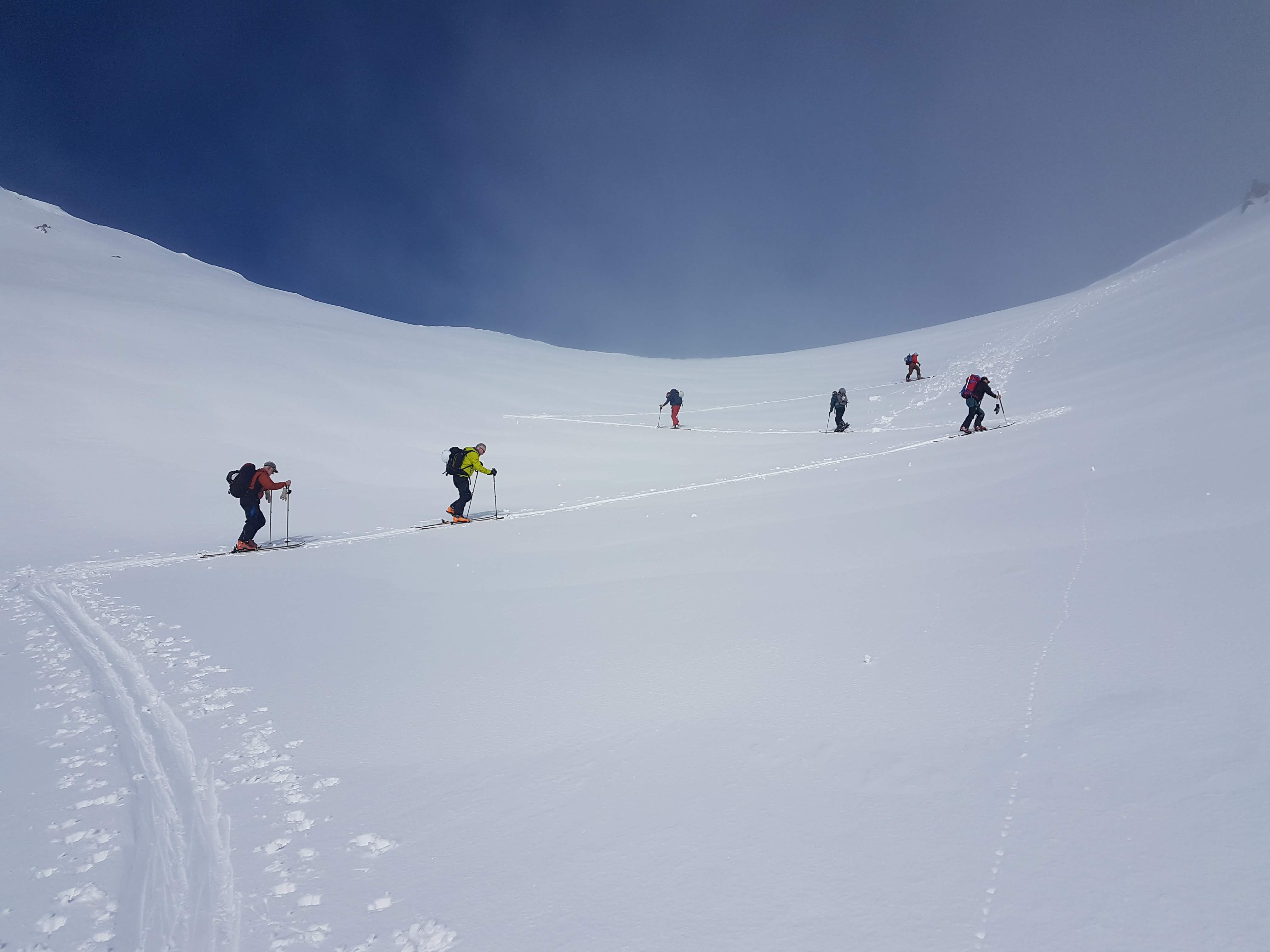
Heading uphill to score some good backcountry snow